#JavaScript

Real Time Chat System With Golang, Redis and Server Side Events
Server‑Sent Events provide a lightweight way to push live updates over a single HTTP connection. This post explains SSE’s benefits—simplicity, automatic reconnection and efficiency and walks through building a real‑time chat using Go and Redis Pub/Sub
Embedding a Vuetify Frontend into a Go Web Server
Vuetify adds a Material Design look to Vue apps, and Go 1.25’s embed package lets you ship static assets in a single binary. Here you’ll see how to serve a Vuetify SPA from Go using net/http, Gin and Fiber, with pros and cons of each method
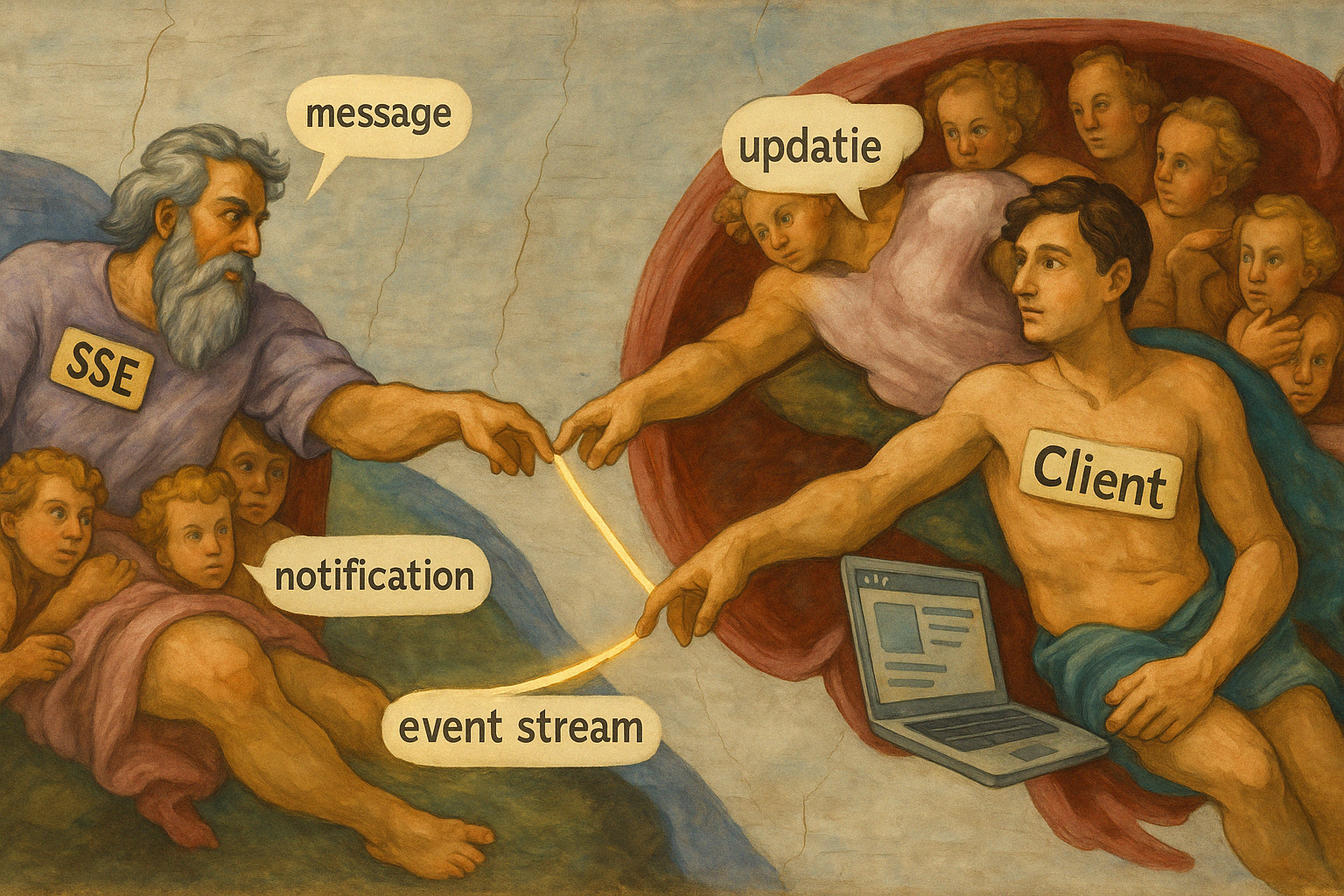
Pushing real-time updates to clients with Server-Sent Events (SSEs)
Long‑running tasks often need to send status updates back to the browser. This tutorial introduces Server‑Sent Events as a simple, one‑way streaming alternative to WebSockets, highlighting features like automatic reconnection and event IDs

Django & Modern JS Frameworks Session Authentication
Django is one of the most popular backend web application frameworks that exists and it's written in Python. Vue.js is one of the most popular JavaScript tools for adding dynamic features to a web application.Django doesn't need Vue to run. Vue doesn't need Django to run. The combination gives developers an incredibly flexible and dynamic paradigm while also leveraging a number of the built-in benefits that each tool has.

Vue & Vuetify Composable Confirm Dialogs
Create reusable confirm dialogs in Vue using Vuetify’s dialog component. The article shows a Dialog.vue component and a useDialog composable to programmatically trigger confirm/cancel prompts from anywhere in your app
Integrating VueJS 2 into a Django
Integrating Vue into a Django project doesn’t require heavy tooling. This piece outlines a strategy where the Vue dev server handles local development while Django serves the built files in production, enabling gradual migration from a monolith to a microservice